Unlocking Joy: The Importance of Collective Worship in a Church Setting
As one enter a worship gathering for the very first time, you may find your emotions filled with a mix of enthusiasm and nervousness. Regardless of whether you’re exploring a contemporary church, a nondenominational setting, or a more traditional environment, the experience of collective worship has the potential to unleash happiness and growth in your life. Sunday gatherings can be more than just another ordinary day; they can become a liturgy of hope, community, and faith development. For newcomers and regular attendees alike, understanding what to expect at a modern church service can lead to meaningful connections and an enriching experience.
At the heart of a church service lies the importance of worship and the cultivation of faith. From engaging music that lifts the spirits to times of prayer that build intimacy with God, each element is designed to feed your soul. Parents bringing kids will find that many contemporary churches offer vibrant kids and youth ministries, ensuring that worship is a welcoming for families experience. This community atmosphere is crucial, especially during difficult times, as it brings people closer in support, lifting one another through intercession and fellowship. As we delve into the various elements of a church service, you will find how each element combines to create an atmosphere ripe for spiritual growth and joy.
The Significance of Community in Worship
Fellowship plays a essential role in the experience of worship within a church setting. When worshippers gather as one, they create a space that fosters relationships and accountability. It is in this atmosphere that people share their joys, burdens, and testimonies, allowing for deeper relationships to develop. This collective experience enhances the worship service, transforming it from a individual activity into a dynamic, communal encounter with God.
Moreover, a deep sense of community encourages personal growth and spiritual development. Members of the church can support one another in their spiritual journeys, offering support and help as they navigate the challenges of life. This help is especially vital for new believers, who can feel confused by their spiritual transition. By participating in a community, members gain access to resources, prayer partners, and mentorship, which can enrich their understanding of faith and strengthen their commitment to their beliefs.
Additionally, the communal aspect of worship reflects the biblical principle of unity among believers. In the New Testament, Christians are called to be the fellowship of Christ, each playing a distinct role while collaborating for a mutual purpose. This unity is cultivated through shared experiences in worship services, such as praise, intercession, and teaching. When congregants engage in these aspects together, they not only strengthen their own faith but also become a example to the world of God's love and grace.
Recruiting Helpers for Impactful Ministry
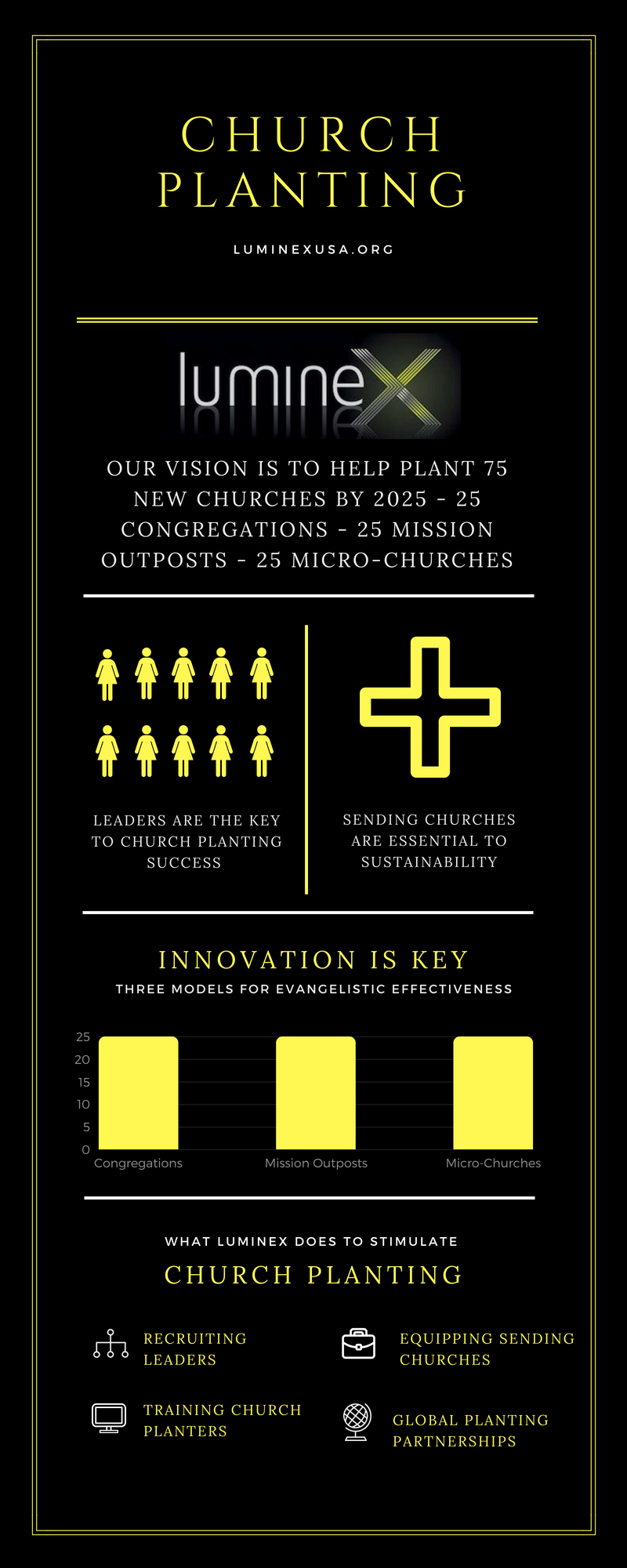
Helpers are the heartbeat of any vibrant church community. In a contemporary church service, recruiting volunteers not only elevates the worship experience but also nurtures a sense of belonging and meaning among churchgoers. By engaging members in various ministries, such as children's ministry and youth ministry, churches can create an atmosphere where people feel appreciated and connected to the church's mission. This engagement helps to build bonds and encourages more profound connections within the congregation.
To successfully involve helpers, churches should present a variety of roles that cater to different interests and skills. This can consist of jobs in hospitality, praise teams, or backend support, allowing individuals to contribute in ways that align with their strengths. Education and support for helpers are crucial, as it arms them with the tools needed to serve effectively and confidently. When people feel prepared and valued for their efforts, they are more likely to remain dedicated to the church.
Celebrating and appreciating the contributions of volunteers is essential for sustaining their excitement and commitment. Churches can organize recognition gatherings, feature testimonies during services, or create platforms for helpers to express their journeys. Keeping volunteers inspired through ongoing support is key, as it not only reinforces their bond to the church but also motives others to participate, creating a strong and dynamic community.
Nurturing the Next Generation By means of Spiritual Gatherings
In a vibrant church community, the importance of nurturing the younger generation through worship cannot be emphasized enough. Contemporary churches often prioritize involving children and youth in impactful ways, recognizing that their faith development begins soon. With have a peek here and youth programs, children are inspired to explore their faith enthusiastically. By why not find out more of worship experiences tailored to their needs, they learn biblical truths in a way that connects with their lives, nurturing a sense of belonging and purpose from a very early age.
Family-friendly church services incorporate aspects designed to engage younger members while providing a welcoming environment for families. Aspects such as participatory worship, enthralling storytelling, and innovative activities help maintain children's attention and promote their participation. Moreover, parents are comforted knowing that their children are not only amused but also growing in faith. This comprehensive approach to worship nurtures a love for God and community, establishing a foundation for a enduring faith journey.
Additionally, the role of community in cultivating the next generation by means of worship cannot be overlooked. By promoting multi-generational connections, churches create spaces for mentorship and support. Senior members share their stories and wisdom, helping younger attendees deal with their faith amidst the trials of life challenges. This environment fosters resilience and hope, demonstrating that faith is not just a personal journey but a shared one, where each generation plays a vital role in shaping the path of the church.